

Resources
Practical guidance for safer homes.
Home accessibility planning is easier when families, homeowners, and referral professionals can think clearly about the home, the person using it, and the changes that may improve daily safety and usability.
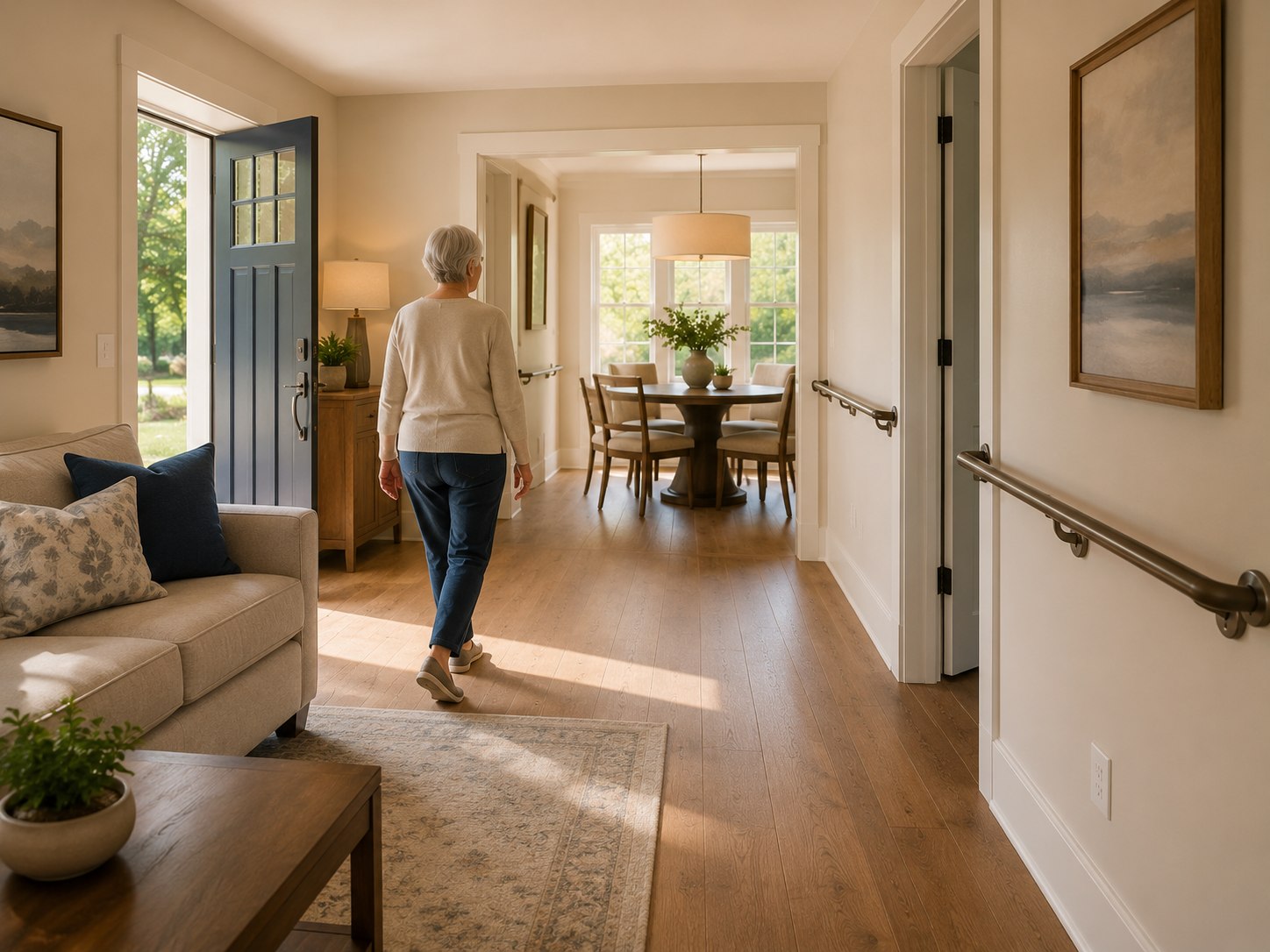
Start with how the home is used
Good accessibility planning begins with everyday routines. Bathrooms, entries, stairs, hallways, kitchens, bedrooms, lighting, flooring, and doorways can all affect how safely and comfortably someone moves through the home.
Every home needs its own evaluation
There is no single accessibility-renovation plan that fits every house. Existing structure, space, thresholds, plumbing, drainage, exterior grade, daily mobility needs, and long-term goals all matter.
Bathroom safety
Bathrooms often involve transfers, wet surfaces, tight clearances, and privacy needs. Planning may include shower access, grab-bar locations, seating, flooring, lighting, fixtures, and clear floor space.
Ramps and accessible entries
A safer entry depends on the home site, doorway, threshold, exterior grade, landing space, handrails, weather exposure, and how people approach the door.
Mobility through the home
Doorways, hallways, flooring transitions, furniture clearances, and hardware can affect people using walkers, wheelchairs, canes, or other mobility supports.
Aging in place
Planning ahead can reduce future disruption. Many homeowners consider bathrooms, entrances, stairs, lighting, flooring, kitchens, and doorways before an urgent need develops.
Medicaid or health-plan pathways
Some home modifications may involve authorization, referral professionals, case managers, or program requirements. Eligibility and covered services vary by program or plan.
Working with case managers
Medicaid-related home modifications may involve a case manager and an authorization process. Clear project details help HCR understand the home and the requested modification.
Helpful information to gather before a conversation
Useful details include the home location, the main areas of concern, how the person enters and moves through the home, whether stairs or thresholds are involved, whether bathroom access is difficult, and whether a case manager or referral professional is already involved.
Keep sensitive information out of general website forms
A short project description is usually enough to begin. Diagnoses, Medicaid ID numbers, insurance ID numbers, medical records, Social Security numbers, and other sensitive medical or personal information should not be submitted through a general website form.
When to ask for help
If everyday parts of the home are becoming difficult, unsafe, or stressful to use, a professional conversation can help identify practical next steps. The goal is to understand the home and choose modifications that support safer daily living.
Have a home modification question now?
Start with a clear conversation about the home, the person using it, and the modification goals.